About us
Where the name & logo comes from
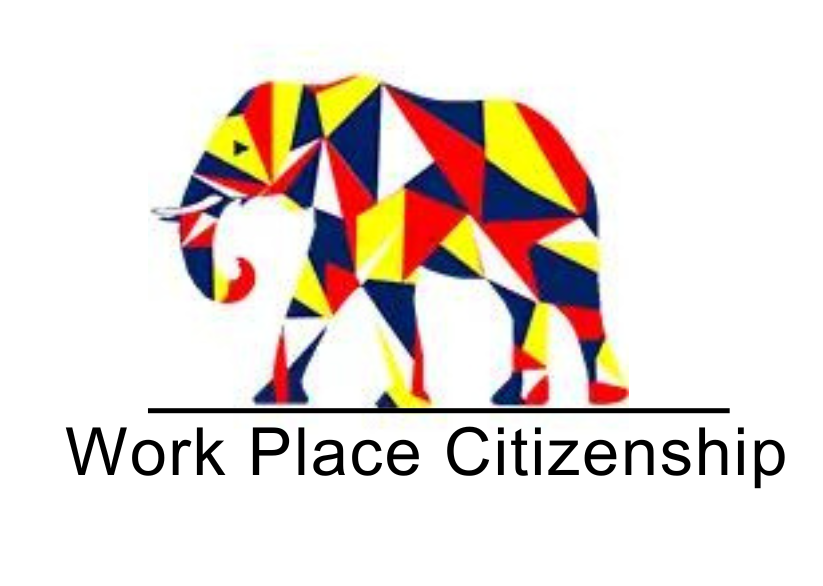
Rang means Colours, and the prefix Pra refers to its origin, or base. Together, Prarang (प्राथमिक रंग) is a lesser-used Sanskrit name that translates to the Basics of Colours. Blue, yellow and red are the base colours from which every other colour originates — and that idea sits at the heart of our logo, representing the colours of diversity within the unity of India.
The elephant has, allegorically, long stood for India itself — not the modern political map, but a borderless idea that reaches beyond it. With over six hundred thousand villages and nine thousand towns and cities, no single person could ever hope to see all of India in one lifetime. The old parable of the blind men and the elephant reminds us of the danger of fragmented knowledge, and the need to balance subjectivity with objectivity.
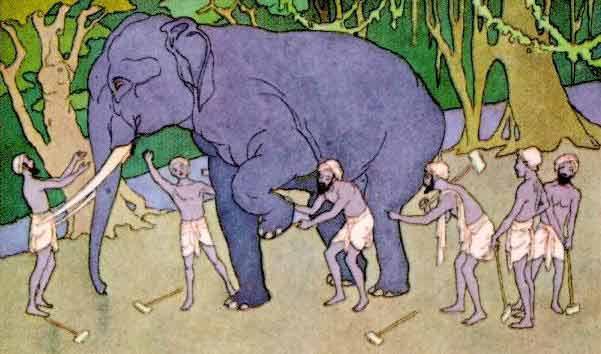
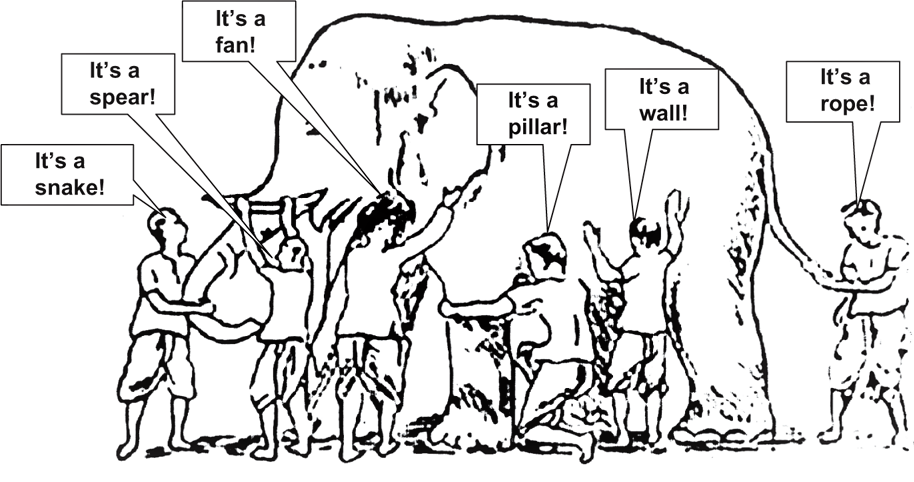
Seeing the entire elephant, in all his colours and splendour, is true unity in diversity. That can only be achieved through borderless, meta-disciplinary and holistic education. Prarang is that Basic-Colours Elephant — as it walks across the cities, towns and villages of India spreading its many colours, it means to transform everyone who sees it into Smarter Citizens.
What we believe
Think Global , Act Local
To create Smarter Citizens by bridging the Digital Divide through innovative internet technologies and hyperlocal content, city by city, in its own local language.
Citizenship based on Respect for Diversity & a Belief in Unity
Cities / Villages I - RULE
What we do
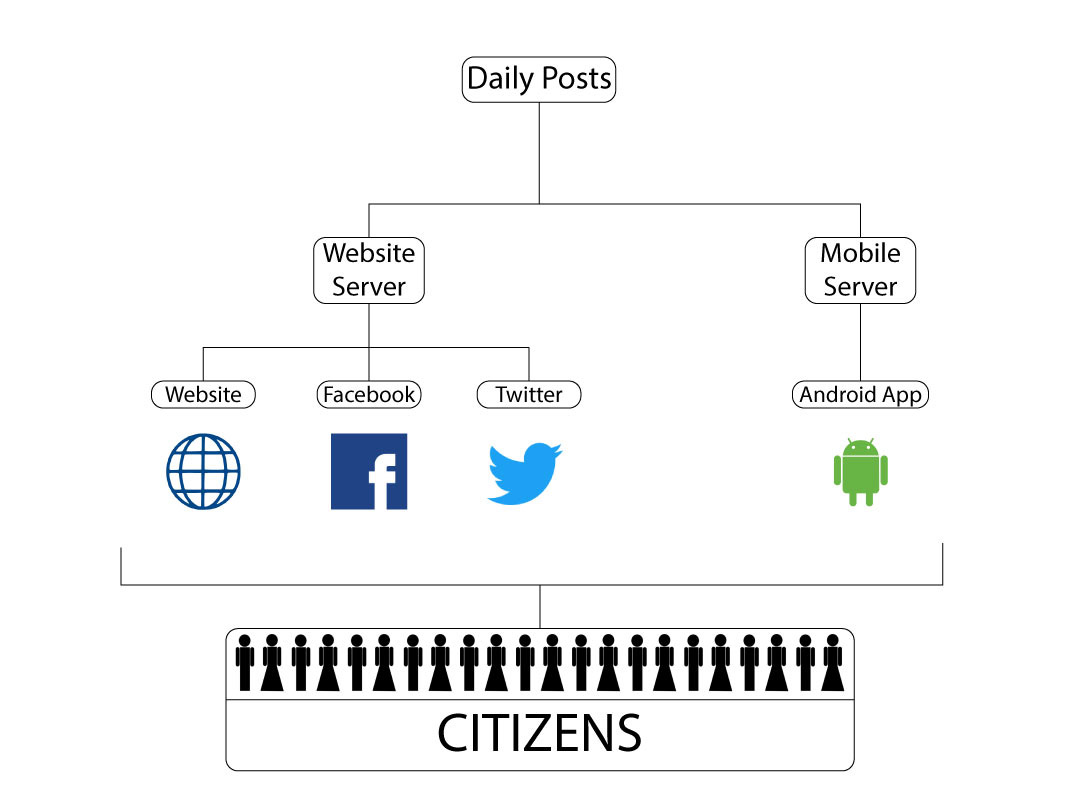
Contextualized content, localized globally — an integrated B2C, B2B and G2C approach delivered hyperlocally through the World Wide Web, to guide the journey from information to knowledge, and eventually to wisdom.
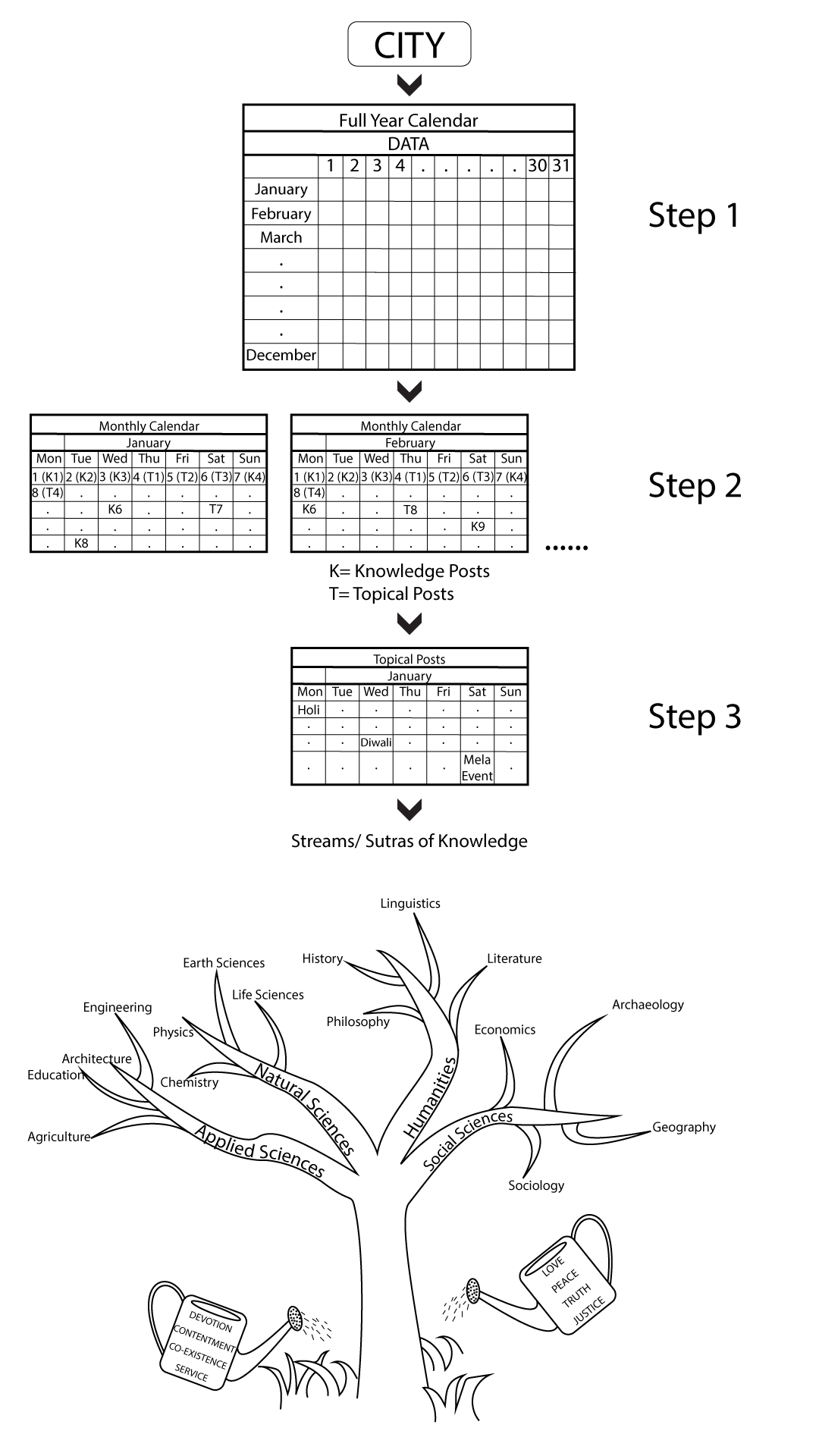
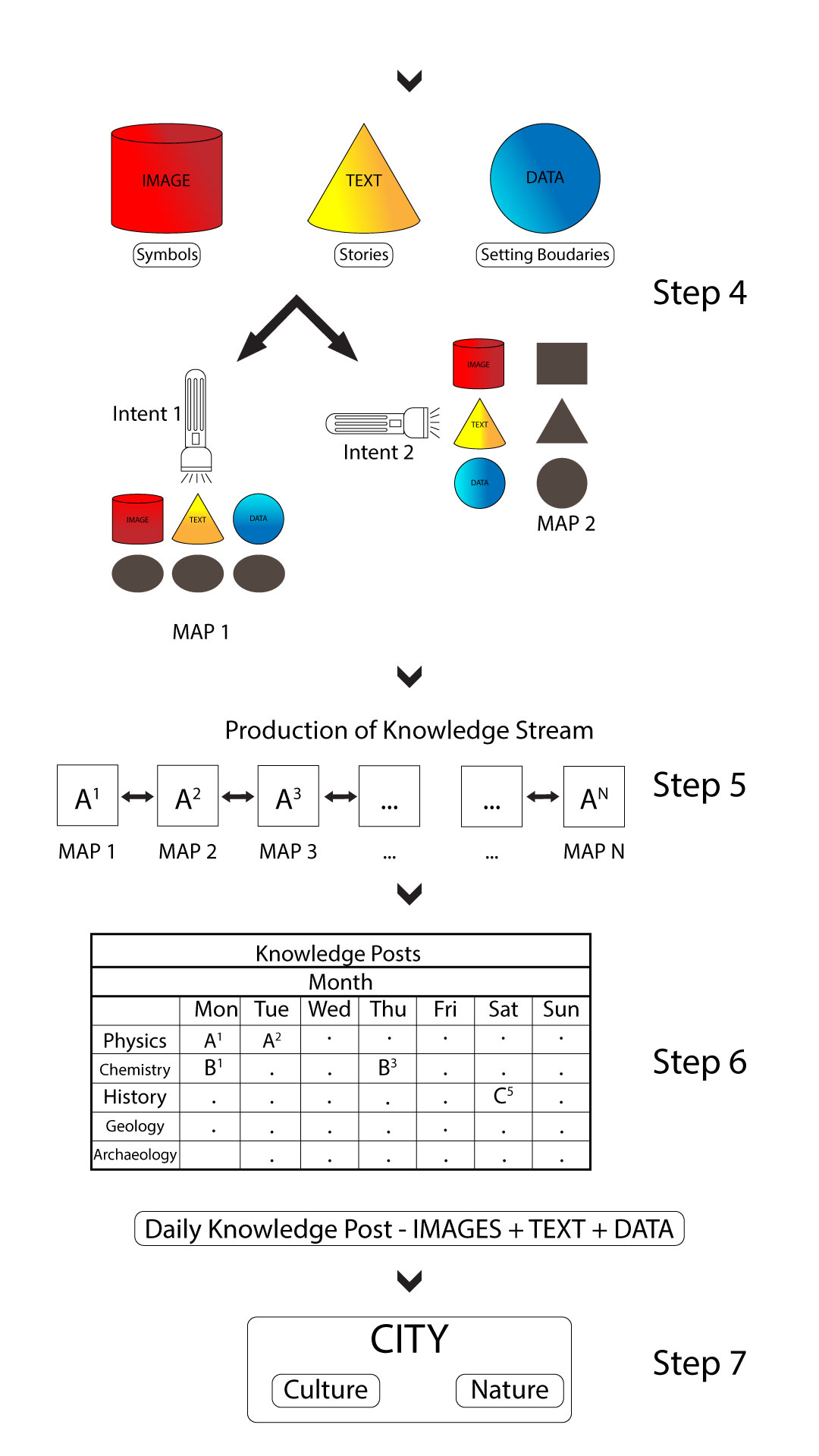
Prarang gets to the DNA of content through its unique Shabdachitra model — databases of text, images, data and maps for the culture and nature of each geography, built around Work, Place and Citizenship in the bio-regional Geddesian model. This is the — Prarang Way
Our City-Semiotics model reads what a geography's content trends — reading, rejecting, browsing and watching — reveal about its changing emotions and interests, feeding a continuous loop useful for governance and for customizing products and solutions.
We estimate and update country and world data from government, UN and reliable public sources, building our own internet and social-media reach estimates. Alongside daily content, we track readership metrics against socio-economic, cultural and natural data.
Access to the web varies by literacy in the language of both creator and reader. On Prarang Knowledge Webs, we build on the scripts of mother-tongue languages as the foundational layer of everything we do on the web.
There is a lot of knowledge outside the web too — we love books.
Beyond the screen
“I have always imagined that paradise will be a kind of library.”
Can all the knowledge of the world be contained in one place? Borges imagines just such a place in The Library of Babel — an endless library holding not only every book ever made, but books yet to be made.
We aim to curate a Prarang Museum showcasing the story of Indian civilization through the evolution of its cities and towns, along its rivers.
We do not recycle information already available online. We research with the intent of writing for a specific city's reader, aware of their linguistic level, education level and economic need — because mere translation is not what Prarang does.
Who's behind it
Prarang is an 8+ year old venture, funded and incubated by Indoeuropeans (India) Pvt. Ltd.

Technology


Analyst

Content
Technology
Analyst

Content

Content

Content

Content

Content

Management

Management
Get in touch
Hours: Monday–Saturday, 9:00 AM–6:00 PM (excluding national holidays)
Address:
Office 1125, 11th floor, The i-Thum,
A-40 Sector 62, Noida (U.P), India 201309